Showing posts with label Collecting Basics. Show all posts

Friday, April 18, 2014

Collecting Basics 5: Parallel Cards

Now that you have chosen your sport, picked up a couple of packs or boxes of cards, now comes the best part. Opening them. However, if you are new to collecting, you may not know what you are looking for or what to find. That's where I hope to come in to help. For the next few posts of Collecting Basics, I hope to break down what you can find in a pack of cards. From base cards to insert cards to parallel cards to memorabilia cards to autographs.

Today's topic will be covering PARALLEL CARDS. Parallel cards are as stated in the name. Parallel.  In this case they are just like the base card, but slightly different. This may mean a different border color, a shine or rainbow effect, a little stamp in the corner to having the persons name being gold or blue instead of silver. Here are a few examples below.

As you can tell with the 2014 Topps Jurickson Profar below. The only difference in this parallel compared to its base card on the front is a gold border . This particular parallel is also numbered. Not all parallels are numbered but some are.


The Profar can also be found in this blue parallel version as well among others that Topps baseball 2014 has to offer.

It's not just 2014 and just baseball either. You can find parallels in many sports and many years. Check out some more examples below!

Here is a regular Topps Chrome card of Victor Cruz and underneath is just SOME of the parallels for this edition of Topps Chrome:

Overall, parallels should be pretty easy to spot once you know what you are looking for. There is always something a little different compared to its base card counterpart. Some may be more obvious than others.

I hope my tips will help you be able to spot them in packs. If you have anymore questions about parallels, feel free to ask!

Next up on our journey of sports cards is inserts and what they are and what some may look like.

As always, HAPPY COLLECTING!

Friday, April 11, 2014

Collecting Basics 4: Base Cards

Now that you have chosen your sport, picked up a couple of packs or boxes of cards, now comes the best part, opening them. However, if you are new to collecting, you may not know what you are looking for or what to find. That's where I hope to come in to help. For the next few posts of Collecting Basics, I hope to break down what you can find in a pack of cards. From base cards to insert cards to parallel cards to memorabilia cards to autographs.

Today's topic will be covering BASE CARDS. Most of these topics won't take very long to post about. Just trying to do my best to explain each part of the hobby the best way I can.

Base cards are the cards in your pack that will make up most of it. If you have lets say a 10 card pack, more than likely 8 of those cards will be what's called base cards. These are plain cards that make up the base of the product. They may be shiny, numbered (usually to a higher number), thick, thin, framed, straight-up photography, but you can almost always tell which ones they are.

Here are examples from 2014 Topps Baseball:

Here is the main base card design. On the back you will find the stats and to the top right of the card (in landscape form) the number the card is in the set.

Some cards may have writing like Future Stars (shown below), All-Star, RC (rookie card, shown below as well) and other titles. These too are base cards as you can tell by the picture of the back of the card. These cards are called subsets. They are slightly different than the base with the extra writing, but still make up the set and still are the base of the product. In older days, they made some subsets a little more challenging to find in a box of cards so they were almost inserts. Now they seem to fall a few in every pack.


Even this card below is a base card. This one in particular is a No Hitter subset.
I hope this helps you decipher what base cards are in the pack of cards you just opened. If you need anymore help with the explanation, please feel free to ask below.

Part 5 of Collecting Basics I will cover parallel cards.

As always, HAPPY COLLECTING!

Friday, April 4, 2014

Collecting Basics 3: Reading Your Packaging

Now that you have chosen your sport, made your pack and/or box purchases, and are sitting down at your table ready to open, you all of a sudden notice all of this mumbo jumbo on the outside of the box. Not something you really looked at when you made your purchase. What's this "Gold Parallel 1:4" even mean? Well, that is where Part 3 of Collecting Basics comes to help.

First off, here is a blaster box of Topps Baseball 2014. All boxes and packs will have that mumbo jumbo. Some on the back of the box, back of packs, side of box. Either way they all have it.

The front of this box tells you what the product is, how many packs/cards are within, what special cards are included and what ones you might find. However, on the side of the box is this:
And you may be like whaaaaatttt? Well, the bottom part is easy. It just gives you the checklist of players you can find of the manufactured patch cards included not all of the boxes have it but this one does.

 However, the top part you may question more. I know I did when first collecting. The top part, usually has things like refractor 1:7, Top Of The Day insert 1:12, autographed cards 1:111. You may think these are math equations but they are odds. 1:7 means, 1 in every 7 packs of these cards in this box this insert should fall. So if you have a box of 10 packs, this type card should be in there once. That may not always be the case however as the card odds are spread out over the entire production and not just one box. So you may score 2 or none.

The middle writing on the box tells you about the No Purchase Necessary. This is how you COULD acquire these cards for FREE at the same odds you would by buying the box by following instructions below and mailing your info in.

I hope this helps you understand the writing on the packaging. If you need any other help reading it, just ask below.

As always, HAPPY COLLECTING!

Sunday, March 2, 2014

Collecting Basics 2: What To Open?

Now that you have chosen a sport or sports to collect from Part 1 of Collecting Basics, you have now gotta add to start to add to your collection. There are many ways to acquire cards to your collection.

You can go to hobby shops, retail outlets such as Walmart and Target, yard or garage sales, sometimes even at consignment shops. Collecting Basics 2 is here to help you out with information on buying from retail and hobby shops. There is so much out there that sometimes even a simple breakdown can help you decide what to buy.

Lets kick if off in retail because that is the cheapest alternative especially for beginning collectors. You can find retail cards at Walmart, Target, Dollar stores, some grocery stores, gas stations and pharmacies. 

They offer many, many forms of buying options at retail stores. You can first choose from different packs:

From Retail Packs
  

To Rack Or Jumbo Packs:
 

To Blister Boxes:
 

To Repackaged products:

Mega Box or Monster Box:
Product Details
 To Blaster Boxes:
  

Now you are thinking, wow, what's the difference. Well, luckily I am here to break it down for you. There is definitely a huge difference between hobby and retail products. Not only because of price, but other reasons as well. Such as hits. Hits to me are autographs and jersey cards. When it comes to retail, they are much more astronomical odds of pulling one unless it is guaranteed. It all depends on what you are looking for. I find some retail buys are better than others and some retail products do include hits. However, the hits are not as top notch as they would be in hobby when one is guaranteed.

Here is a breakdown of what usually each one of the retail products offer.

Retail Packs: Usually offer between 8-12 cards per pack. There are rare occasions you might get a hit but if you are buying retail packs, you will mostly find base cards. Price varies from $.99-$3.99.

Rack or Jumbo Packs: Usually offers between 36-72 cards depending on the brand. These have been known to have some nice hits pulled from them. Price is usually $4.98. Some may run up to $9.98 for Chrome products that contain special parallel cards.

Blister Boxes: Blisters are usually hanging up but depends on what store you find them in. They usually contain one pack of cards and it usually is about 72 cards. Some may contain a guaranteed hit such as a jersey card. Others may have special parallel cards.  Price is usually $9.99-$15.00

Repackaged Products:Like the title states. These are repackaged. Some companies like Fairfield Company, take older and some new retail packs from a variety of companies, they pack them up in their own packaging, sometimes throw in a bonus hit such as a jersey or an autographed card from one of those companies and sell it as a packaged deal. The size of the package deal will depend on how much you pay. There are bigger packaged deals where there are about 100 random cards thrown in as well with a few packs. Those cards usually vary in year and brands. Price ranges are from $3.99-$29.99.

Monster Or Mega Box: Topps calls theirs Mega box, Panini calls theirs Monster Box. Either way, it's the same thing. There are usually a few packs of retail, a couple packs of hobby and a throw in of bonus parallel cards. These range in price from $15-$20.This is a great deal since you get some hobby packs that have proven to pack some nice hits.

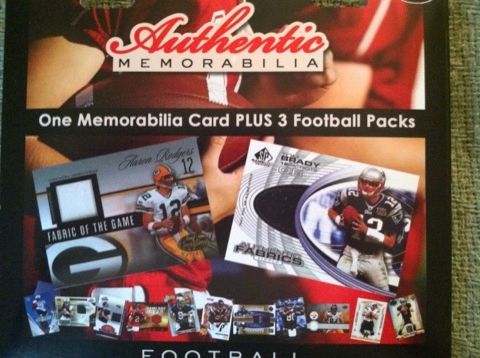
Blaster Boxes: Blaster boxes are what you call the higher end buying option for retail. They cost $20 and contain 7-10 retail packs. Most come with a guaranteed jersey card or commemorative memorabilia card. Some even an autograph or two. They also might come with special parallel cards. Most of the time the autograph, memorabilia or special parallel cards are packaged separately inside the box in a plain silver wrapper.

Retail Boxes (no picture): This is a mini version of a hobby box. The retail boxes are the ones holding the retail packs which ranges from 24-36 packs. Each box sometimes comes with a guaranteed hit. It's best when buying one of these boxes to buy it sealed. Many people will steal the hits out of these by pack searching them out.

Now that I have summed up the many retail options, I will move onto hobby.

For hobby, you have:
Hobby Packs

Mini Boxes
Product Details

Hobby Box

Jumbo Boxes
Panini America 2013-14 Prizm Basketball Hobby Jumbo (1)

In hobby, there are not as many options, but there is a lot more to find in terms of hits.


Hobby Packs: Hobby packs come from a hobby box. Meaning hits could be found at a much better rate than retail since most hobby boxes contain 4-6 hits. Each pack ranges from 4-12 cards. Prices range from $4.99-$65 each.

Mini Boxes: Some hobby boxes come in 2 parts or what's called mini boxes. They are usually much cheaper than a hobby box and do contain hits. The price ranges on these from $65-$120 or a little more depending on product.

Hobby Boxes:  If you are looking to get some nice hits, hobby boxes are the best way to go. However, not everyone can afford the price range of $50-$500 which is why retail is so important. Most hobby boxes contain 1-24 packs. 1-12 hits. Usually 2 of the hits in a normal 4 hit box will be autographs.

Jumbo Boxes: These are like mega Hobby Boxes. They usually have more hits and more parallels. Will run you a bit more money, but another hobby option if you can afford it.

Well, there you have it. There is a lot to process but hopefully I broke it down enough to help you with your buying options on any budget. If you have any questions or need any buying tips on which ones are the best options, feel free to comment below and I will answer your questions.

And as always, Happy Collecting!

Sunday, February 23, 2014

Collecting Basics 1: The Beginning, Choosing A Sport

Welcome to the new series, Collecting Basics. I am hoping to use this series to help NEW collectors or refresh the minds of collectors who may be jumping back in. Because as we all know, this hobby changes on a daily basis. The one thing that doesn't change, is the fun you can have in it.

Starting off this new series I thought I would help point collectors in the right direction with what sport or sports you may want to collect. Like the title states, Collecting Basics is literally starting from the beginning and moving all the way through.

Here are some quick tips from my personal experience on what sport or sports you may want to collect.
  1. First and foremost, make it a sport(s) you connect to. Do you watch it? Do you know the players? Without this important piece, it will be really hard to decide what sport to choose. Watching a sport and knowing it will help you decide what players and teams you may want to dive into.
  2. Do you play the sport(s)? Sometimes playing the sport(s) can drive your passion for collecting one sport or the other.
  3. Knowing licensing for sports might persuade you as well especially if you are looking for just straight up cards from the NFL, MLB, NBA or you like the variety. Topps is exclusive to MLB baseball til 2020. Panini America and Upper Deck have MLBPA licenses. Meaning they can use MLB players in the cards they put out, but can't use logo's or team names on the cards. NBA has Panini as their exclusive license. Upper Deck does basketball but only NCAA or college to some. NFL is Panini America and Topps. Upper Deck does NCAA for this as well. There is also Sage and Press Pass who do football cards but can't use any logo's or team names. The NHL license is run by Panini America and Upper Deck. There are other companies that make hockey cards but can't use the logo's or team names.
  4. If you are going to be a rookie card collector, it's nice to know that the easiest way to know if you have a rookie card are in the sports of NBA, NFL and NHL. The tougher sport to collect rookies in, in my experience, is baseball. Especially if you are a new collector to baseball, the word rookie and prospect may be plastered on some of the cards, however,  they may not be rookies. I will save the baseball card rookie definition for another rainy day.
  5. Another tip may be collecting a sport(s) your friends or family does. That way you guys can trade back and forth with them.
I hope some of these tips will help you decide which sport or sports you want to collect. Remember that this how I decided to collect what I collect. It doesn't mean you have to use these tips in order to collect. They are just here for a reference if you need them.

As always, comments and thoughts are welcomed!

Happy Collecting!